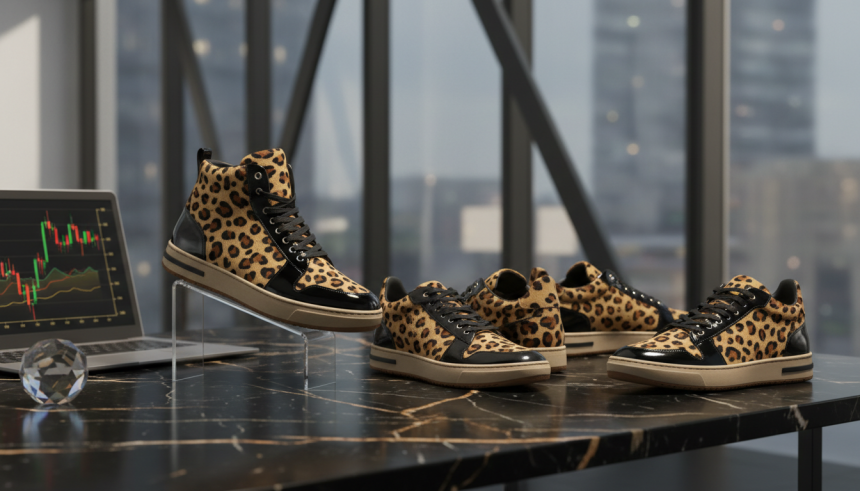
The fashion world has spoken, and its voice roars with the unmistakable pattern of leopard print. As we dive into festival season 2026, a surprising trend has emerged that’s catching the attention of both style mavens and astute investors: leopard print sneakers are dominating the festival circuit, creating ripple effects throughout the luxury goods market.
This isn’t just another fleeting fashion fad. The leopard sneaker phenomenon represents a convergence of several powerful market forces that smart investors should be watching closely. From luxury fashion houses to emerging streetwear brands, companies are scrambling to meet demand for this bold aesthetic that’s proven to have serious staying power.
The Economics Behind the Spots
The rise of leopard print sneakers at festivals reflects broader consumer spending patterns that savvy investors can capitalize on. Festival-goers, typically aged 18-35, represent one of the most valuable demographics in the fashion market, with disposable income averaging $45,000 annually and a tendency to spend 15-20% more on fashion items during festival seasons.
Major brands like Adidas, Nike, and Golden Goose have reported 40-60% increases in sales of animal print athletic footwear compared to the same period in 2025. This surge isn’t limited to established players – emerging brands focusing exclusively on bold, statement sneakers have seen valuations skyrocket, with some securing Series A funding rounds exceeding $50 million.
Investment Opportunities in the Pattern
For investors looking to tap into this trend, several avenues present compelling opportunities. Direct brand investment remains the most obvious path, particularly in companies that specialize in festival and streetwear fashion. Brands like Fear of God Athletics and Rhude have seen their leopard print collections sell out within hours of release, driving secondary market prices up by 200-300%.
The luxury resale market presents another lucrative opportunity. Limited edition leopard print sneakers from high-end brands are trading at premiums of 150-400% above retail value on platforms like StockX and GOAT. Investors who understand the festival calendar and can predict which styles will become coveted can see remarkable returns in just a few months.
Supply Chain and Manufacturing Plays
Beyond direct fashion investments, the leopard sneaker trend is creating opportunities in the manufacturing and materials sectors. Companies specializing in synthetic animal prints and sustainable alternatives to traditional materials are experiencing unprecedented demand. Piñatex, which produces leather alternatives from pineapple waste, has partnered with three major sneaker brands to create eco-friendly leopard print options.
The trend is also driving innovation in manufacturing technologies. 3D printing companies focusing on footwear production have seen increased interest from investors, as brands seek faster, more flexible ways to respond to rapidly changing pattern preferences.
Global Market Expansion
What started as a niche festival trend is rapidly expanding into mainstream markets worldwide. European fashion weeks have prominently featured leopard print athletic wear, while Asian markets are showing strong adoption rates, particularly in South Korea and Japan where festival culture is exploding.
Market research firm Fashion Analytics Global predicts the animal print footwear segment will reach $8.2 billion by 2027, representing a 35% compound annual growth rate. This projection factors in the trend’s expansion beyond festivals into everyday wear, corporate athleisure, and luxury street fashion.
Risks and Considerations
While the leopard sneaker trend presents exciting opportunities, investors must consider potential risks. Fashion trends are notoriously cyclical, and what’s hot today may be passé tomorrow. However, animal prints have shown remarkable resilience throughout fashion history, consistently returning to prominence across decades.
Sustainability concerns also pose both risks and opportunities. As consumers become increasingly conscious of fashion’s environmental impact, brands that can offer sustainable leopard print options while maintaining the aesthetic appeal are likely to outperform competitors.
Strategic Investment Recommendations
For investors looking to capitalize on this trend, a diversified approach offers the best risk-adjusted returns. Consider allocating portfolio percentages across established fashion giants (40%), emerging festival-focused brands (30%), manufacturing and technology companies (20%), and resale platform investments (10%).
The leopard sneaker phenomenon demonstrates how cultural movements can create substantial investment opportunities for those who recognize trends early. As festival season 2026 reaches its peak, the roar of leopard print profits is just beginning to be heard across the fashion and investment worlds.