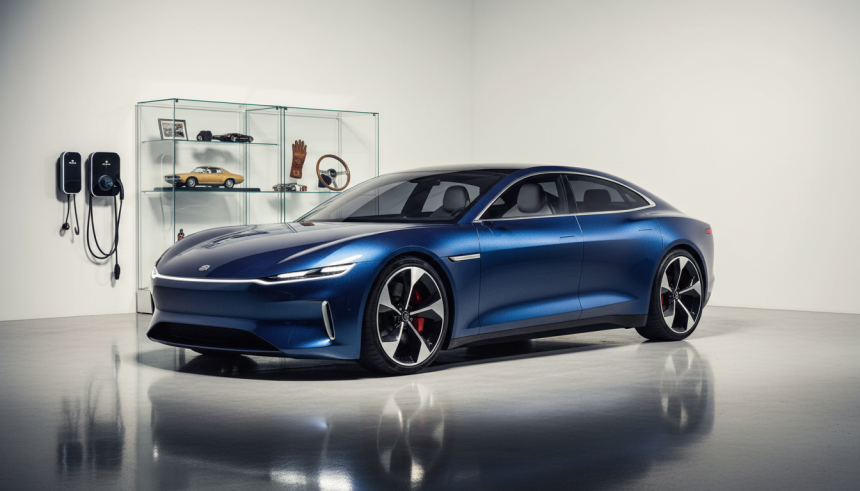
The collector car market is experiencing a seismic shift as forward-thinking investors recognize that today’s electric vehicles represent tomorrow’s most coveted classics. This strategic pivot reflects a broader transformation in how wealth builders approach alternative investments in the automotive sector.
The Electric Advantage in Collector Markets
Electric vehicles offer unique advantages for collectors that traditional combustion engines simply cannot match. Unlike conventional classics that require extensive mechanical maintenance, electric collector cars promise lower long-term preservation costs. Battery technology, while currently evolving, creates distinct generational markers that will define collectibility in the coming decades.
Industry experts note that early Tesla models, particularly limited production variants, are already showing appreciation patterns similar to iconic sports cars from previous eras. The Model S Plaid, Roadster, and limited-edition variants command premiums that suggest strong collector interest.
Strategic Investment Considerations
Successful electric car collecting requires understanding several key factors that differentiate this market from traditional collector vehicles. Battery longevity and replacement costs represent the primary consideration, as these components can significantly impact long-term value retention.
However, savvy collectors are focusing on vehicles with documented battery health, comprehensive service records, and manufacturer support for legacy models. This approach mirrors traditional collector car strategies while adapting to electric-specific concerns.
Market Timing and Selection Criteria
The current market presents optimal entry points for electric collector car investment. First-generation production models from established manufacturers often represent the sweet spot between accessibility and future appreciation potential.
Key selection criteria include production numbers, technological significance, brand heritage, and design distinction. Vehicles that represent “firsts” in electric automotive history—such as the first mass-market electric sports car or the first luxury electric SUV—typically demonstrate stronger appreciation patterns.
Preservation and Storage Strategies
Electric collector cars require specialized storage and maintenance approaches that differ significantly from traditional vehicles. Climate-controlled environments remain essential, but battery management becomes the critical factor in long-term preservation.
Professional collectors are implementing battery maintenance protocols that include regular charging cycles, temperature monitoring, and software update management. These practices ensure that electric classics remain functional and valuable for future generations.
Portfolio Integration Benefits
Electric collector cars offer portfolio diversification benefits that extend beyond traditional automotive investments. They represent exposure to rapidly evolving technology sectors while maintaining the emotional and cultural value associated with classic car ownership.
The intersection of technology, sustainability trends, and collector interest creates multiple value drivers that traditional classics cannot match. This convergence appeals to younger collectors who prioritize environmental considerations alongside investment returns.
Future Market Projections
Market analysts project significant appreciation potential for carefully selected electric collector cars over the next decade. As production transitions entirely to electric platforms, early examples of iconic models will likely command substantial premiums.
The limited production runs of many current electric vehicles, combined with rapid technological advancement that makes early models historically significant, creates ideal conditions for collector market development.
Risk Management Approaches
Successful electric car collecting requires understanding and mitigating unique risks. Technology obsolescence, manufacturer support discontinuation, and battery degradation represent primary concerns that collectors must address through careful selection and maintenance strategies.
Insurance considerations also differ for electric collector cars, with specialized coverage for battery systems and technology components becoming essential protection elements.
Building Long-term Value
The most successful electric car collectors focus on vehicles that combine historical significance, limited production, and strong manufacturer heritage. This approach ensures that investments capture both current market dynamics and long-term appreciation potential.
Documentation becomes even more critical with electric vehicles, as software versions, battery health records, and charging history significantly impact value retention and future collectibility.
The electric collector car market represents a unique opportunity for sophisticated investors to participate in the next evolution of automotive collecting while building wealth through strategic asset acquisition and preservation.