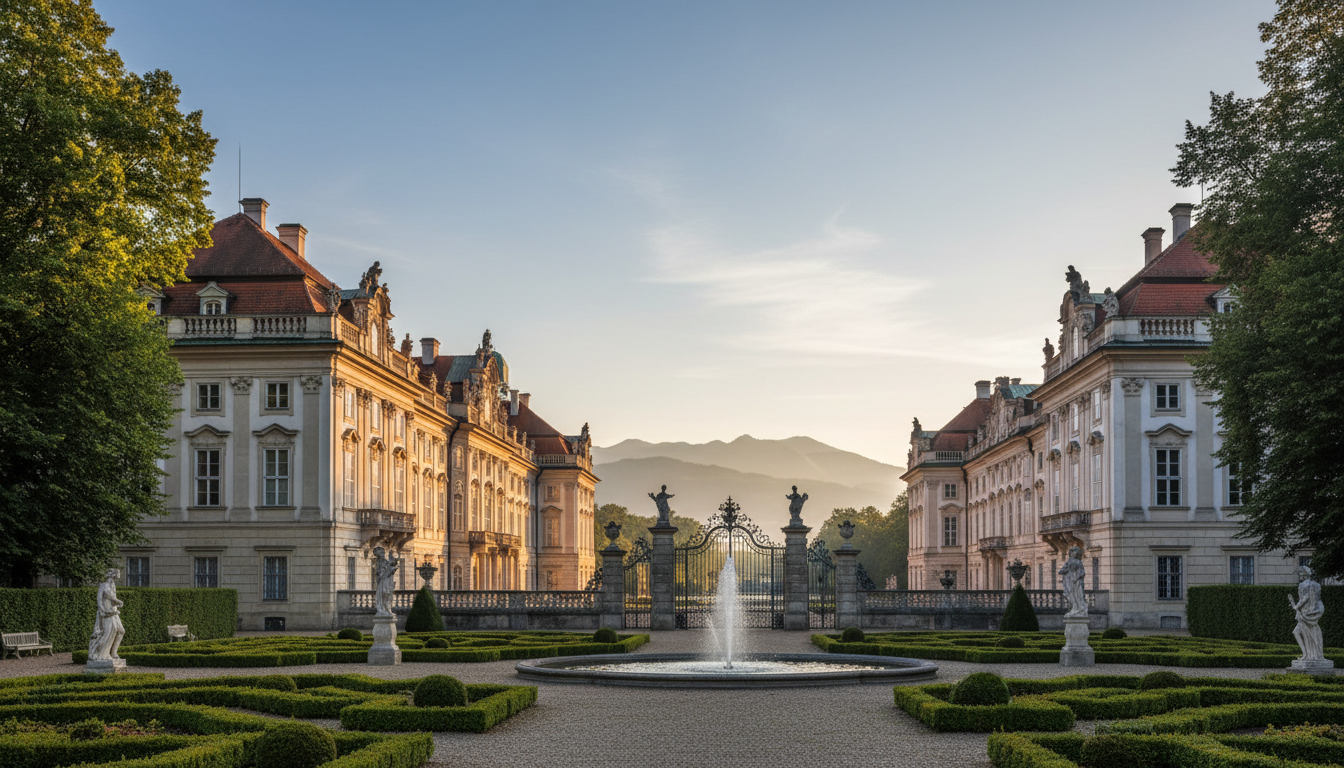
When it comes to displaying wealth on an unprecedented scale, few purchases in recent history match Mohammed bin Salman’s acquisition of the world’s most expensive residential property. The Saudi Crown Prince’s $300 million purchase of Château Louis XIV in Louveciennes, France, represents more than just a real estate transaction—it’s a masterclass in how ultra-high-net-worth individuals leverage luxury assets to project power and preserve wealth.
The Ultimate Trophy Asset
Located in the prestigious Louveciennes commune, just outside Paris, Château Louis XIV spans an extraordinary 56 acres of manicured grounds. This isn’t merely a home; it’s a technological marvel wrapped in classical French architecture that redefines what’s possible when unlimited resources meet visionary design.
The property features:
- 13 bedrooms and 14 bathrooms across multiple wings
- An indoor swimming pool with transparent underwater chamber
- A temperature-controlled wine cellar housing thousands of bottles
- Multiple entertainment spaces including a private cinema and ballroom
- State-of-the-art security systems with biometric access
- Helipad for private helicopter access
The Strategic Wealth Play Behind the Purchase
While $300 million might seem excessive to most, this acquisition demonstrates several sophisticated wealth-building principles that savvy investors can learn from:
1. Scarcity Premium Strategy
True luxury real estate—especially properties of this caliber—represents an extremely limited asset class. There will never be another Château Louis XIV. This scarcity creates inherent value protection against market volatility, making it a hedge against currency fluctuations and economic uncertainty.
2. International Diversification
By investing in French real estate, MBS diversifies his portfolio beyond Middle Eastern assets. Geographic diversification remains one of the most effective risk management strategies for ultra-wealthy individuals, especially those with concentrated wealth in specific regions or industries.
3. Cultural and Political Capital
Owning prestigious European real estate provides access to influential networks and serves as a diplomatic tool. The château becomes a venue for high-level meetings and relationship building that can generate returns far exceeding traditional investments.
The Technology Behind the Luxury
What sets this property apart isn’t just its size or location—it’s the integration of cutting-edge technology with classical design. The château features:
Smart Home Integration: Every aspect of the property is controlled through advanced automation systems, from climate control to lighting and security. This level of technological sophistication ensures the property remains relevant and desirable for decades to come.
Sustainable Luxury: Despite its opulence, the château incorporates environmental technologies including geothermal energy systems and advanced water management, demonstrating how modern luxury can align with sustainability trends.
Market Context: Ultra-Luxury Real Estate as Investment
The $300 million price tag places this property in an exclusive category of “trophy assets” that have consistently outperformed traditional investment vehicles. According to luxury real estate analysts, properties in this tier have appreciated at an average rate of 8-12% annually over the past decade, while providing:
- Portfolio diversification benefits
- Inflation hedging characteristics
- Tangible asset security
- Lifestyle and utility value
Lessons for Aspiring Wealth Builders
While most investors can’t afford $300 million châteaux, the underlying strategies remain applicable:
Invest in Scarcity
Whether it’s limited-edition luxury goods, rare collectibles, or unique real estate, assets with genuine scarcity tend to appreciate faster than commoditized investments.
Think Global
Geographic diversification isn’t just for billionaires. Consider international real estate investment trusts (REITs) or foreign market exposure to protect against domestic economic volatility.
Lifestyle ROI
The best investments often provide both financial returns and lifestyle benefits. Consider how your investment choices can enhance your quality of life while building wealth.
The Broader Implications
MBS’s château purchase reflects broader trends in global wealth concentration and luxury consumption. As traditional investment yields remain low, ultra-wealthy individuals increasingly turn to alternative assets that combine investment potential with personal satisfaction.
This trend has created entire industries focused on serving the ultra-wealthy, from luxury real estate specialists to private wealth managers who understand the nuances of trophy asset investment.
The Bottom Line
Mohammed bin Salman’s $300 million French château represents more than extravagant spending—it’s a sophisticated wealth management strategy disguised as luxury consumption. By understanding the principles behind such acquisitions, ambitious investors can apply similar thinking to their own portfolios, regardless of scale.
The key takeaway? True wealth building often involves thinking beyond traditional investments to assets that provide multiple forms of value: financial appreciation, lifestyle enhancement, and strategic positioning for future opportunities.