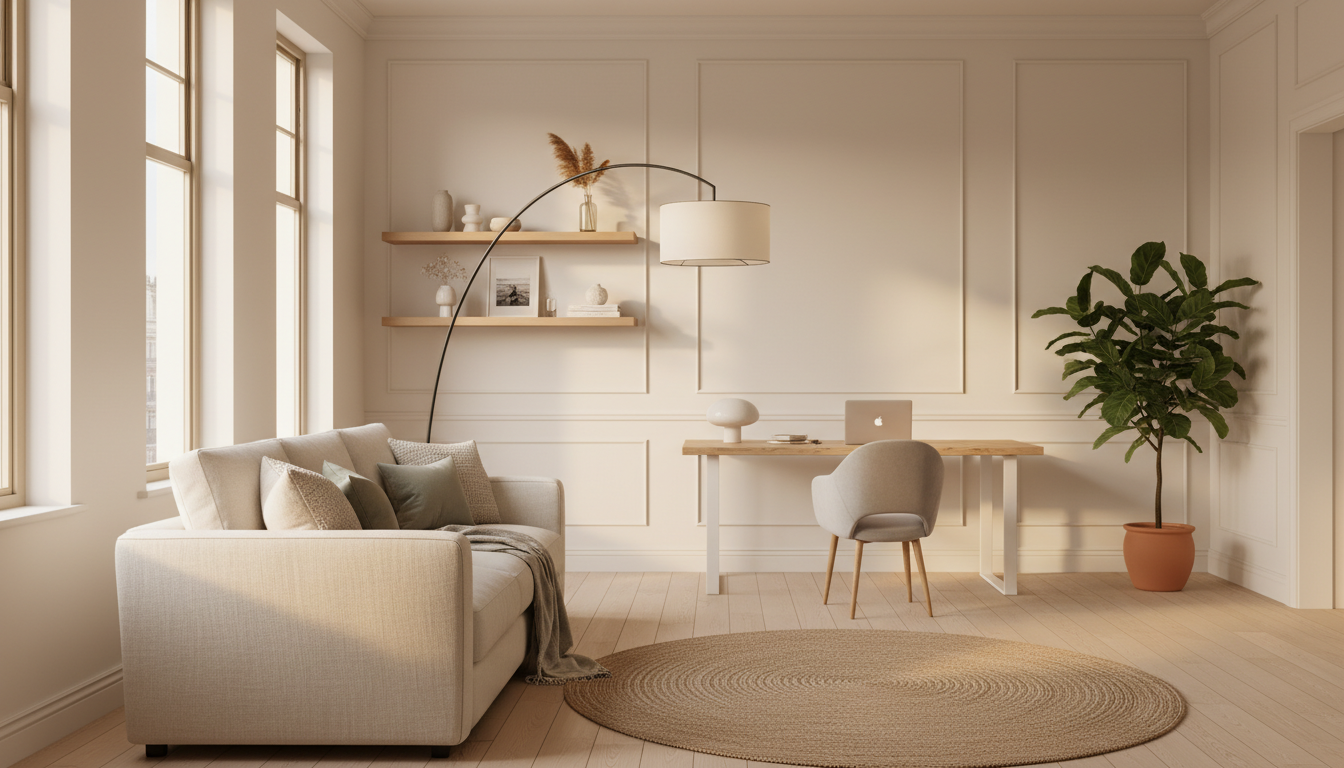
Your home is more than just a place to live—it’s one of your largest investments and a reflection of your financial priorities. Smart home furnishing isn’t about spending the most money; it’s about making strategic choices that enhance your quality of life while preserving and building your wealth.
The Wealth-Building Approach to Home Furnishing
Before diving into specific ideas, it’s crucial to understand that every furnishing decision impacts your financial future. The key is finding the sweet spot between creating a comfortable, beautiful home and maintaining your path to financial independence.
Quality Over Quantity: The Foundation of Smart Furnishing
Instead of filling your space with trendy, disposable furniture, focus on acquiring fewer, higher-quality pieces that will last decades. A well-made solid wood dining table might cost $800-1200 upfront, but it will outlast three $300 particle board alternatives while maintaining resale value.
Consider these investment-grade furnishing categories:
- Seating: Quality sofas and chairs with hardwood frames
- Storage: Solid wood dressers and bookcases
- Mattresses: High-quality sleep surfaces that last 10-15 years
- Lighting: Well-made fixtures that enhance home value
Space Maximization Strategies
Small spaces require creative solutions that don’t compromise on functionality or style. These approaches help you get more from less without overspending:
Multi-Functional Furniture
Every piece should serve multiple purposes. Ottoman storage benches provide seating, storage, and surface space. Dining tables with built-in storage drawers eliminate the need for additional furniture. Bed frames with integrated storage replace bulky dressers.
These dual-purpose investments typically cost 20-30% more than single-function alternatives but replace multiple items, creating net savings while reducing clutter.
Vertical Storage Solutions
Wall-mounted shelving and tall, narrow bookcases draw the eye upward, making rooms feel larger while maximizing storage. Floor-to-ceiling storage units cost roughly the same as shorter alternatives but provide significantly more capacity.
DIY Projects That Add Value
Strategic do-it-yourself projects can transform your space while building valuable skills and saving money. Focus on high-impact, low-cost improvements:
Paint and Hardware Updates
A gallon of quality paint costs $40-60 but can completely transform a room’s appearance. Similarly, updating cabinet hardware and light switch plates creates a custom, high-end look for under $100 per room.
Built-In Storage
Custom built-ins appear expensive but can be created affordably with basic carpentry skills. Simple floating shelves, window seats with storage, and closet organization systems add both functionality and home value.
Smart Shopping Strategies
Timing and sourcing make enormous differences in furnishing costs:
End-of-Season Sales
Furniture retailers typically discount inventory 40-70% during transition periods. Shop for outdoor furniture in September, holiday decor in January, and major appliances during spring and fall clearance events.
Estate Sales and Auctions
Well-maintained vintage and antique pieces often cost less than new alternatives while offering superior craftsmanship. A solid wood mid-century modern dresser might cost $150 at an estate sale versus $800 for a similar new piece.
Technology Integration
Smart home technology can improve efficiency and reduce long-term costs when implemented thoughtfully:
Energy-Efficient Lighting
LED bulbs cost more upfront but use 80% less energy and last 25 times longer than incandescent bulbs. Smart dimmer switches and programmable lighting systems further reduce electricity costs while enhancing ambiance.
Climate Control Optimization
Programmable thermostats and smart ceiling fans can reduce heating and cooling costs by 10-15% annually. In a typical home, this translates to $150-300 in yearly savings.
Avoiding Common Expensive Mistakes
Many homeowners waste thousands on furnishing decisions they later regret:
- Buying complete furniture sets: Individual pieces chosen thoughtfully create more personality and often cost less
- Following every trend: Classic designs maintain appeal and value longer
- Impulse purchases: Wait 48 hours before buying non-essential items
- Ignoring measurements: Furniture that doesn’t fit properly wastes money and looks awkward
Creating Your Furnishing Budget
Allocate your furnishing budget strategically: 40% for essential furniture, 30% for storage and organization, 20% for decor and accessories, and 10% for unexpected needs or opportunities.
Track purchases and their impact on your space. This data helps you make better decisions and avoid duplicate investments.
The Long-Term Wealth Perspective
Remember that your home should support your wealth-building goals, not undermine them. Every furnishing decision is an investment choice. By focusing on quality, functionality, and timeless appeal, you create a beautiful home that enhances rather than diminishes your financial future.
Smart home furnishing isn’t about deprivation—it’s about making choices that serve both your immediate comfort and your long-term prosperity. Your future wealthy self will thank you for the thoughtful decisions you make today.