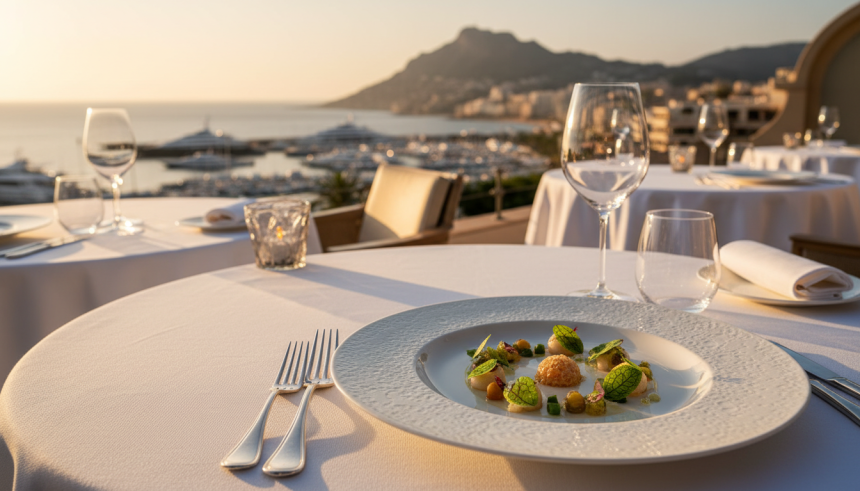
Marbella’s transformation into a culinary powerhouse represents more than just exceptional dining—it’s a masterclass in luxury market positioning that savvy investors should study closely. The Costa del Sol’s most prestigious destination has orchestrated a gastronomic revolution that’s attracting ultra-high-net-worth individuals and creating unprecedented investment opportunities in the hospitality sector.
The convergence of world-renowned chefs, prime Mediterranean real estate, and an affluent international clientele has created a perfect storm of wealth generation. Top-tier restaurants in Marbella now command price points that rival Manhattan’s finest establishments, with tasting menus exceeding €300 per person and wine pairings reaching stratospheric levels.
Smart money recognizes that Marbella’s culinary elevation isn’t merely about food—it’s about ecosystem creation. When Michelin-starred establishments anchor themselves in a destination, they catalyze a cascade of premium services: luxury accommodations, high-end retail, exclusive events, and private wealth management services.
The economics are compelling: Celebrity chef partnerships with established hotel groups are generating returns that outpace traditional hospitality investments by significant margins. These culinary ventures often achieve break-even within 18-24 months, compared to the industry standard of 3-5 years.
Consider the multiplier effect: A single world-class restaurant can increase surrounding property values by 15-25%. Luxury real estate developers are now factoring acclaimed dining establishments into their investment models, understanding that proximity to culinary excellence drives both rental yields and capital appreciation.
The demographic driving this transformation is particularly noteworthy. Ultra-high-net-worth individuals increasingly prioritize experiential luxury over material acquisitions. They’re willing to pay premium prices for exclusive culinary experiences, especially when combined with the privacy and sophistication that Marbella offers.
Private equity firms have taken notice, with several launching specialized hospitality funds focused on Mediterranean luxury dining. These funds typically target established restaurants with proven concepts, offering expansion capital in exchange for equity stakes and franchise rights.
The ancillary revenue streams are equally impressive. Wine programs at these establishments often generate 300-400% markups, while private dining experiences and chef collaborations command five-figure fees for intimate gatherings. Many restaurants are diversifying into cooking academies, branded products, and consulting services—creating multiple income streams from a single culinary brand.
Technology integration is another wealth-building opportunity. Advanced reservation systems, personalized service platforms, and exclusive membership programs are creating data-rich environments that enable sophisticated pricing strategies and customer lifetime value optimization.
The seasonal nature of Marbella’s peak dining season (May through October) has led innovative operators to develop complementary revenue sources: pop-up locations in major financial centers, corporate catering for high-end events, and partnerships with luxury cruise lines and private jet companies.
Investment implications extend beyond direct restaurant ownership. Suppliers serving this elite market—from specialty food importers to custom kitchen equipment manufacturers—are experiencing unprecedented demand. The supply chain supporting Marbella’s culinary scene has become an investment theme in its own right.
Looking forward, the convergence of sustainable dining practices with luxury experiences presents the next evolution. Restaurants incorporating organic farming, zero-waste policies, and carbon-neutral operations are positioning themselves for the ESG-conscious ultra-wealthy of the next decade.
For wealth builders, Marbella’s gastronomic transformation offers multiple entry points: direct restaurant investment, real estate plays in dining districts, supply chain opportunities, and technology platforms serving the luxury hospitality sector. The key is recognizing that this isn’t just about restaurants—it’s about creating comprehensive luxury ecosystems that generate wealth across multiple verticals.