The Gulf’s oil-rich monarchies are fundamentally transforming the global luxury landscape through unprecedented sovereign wealth deployment, creating new paradigms for ultra-high-net-worth consumption and investment.
Sovereign Wealth Dominance
Gulf sovereign wealth funds now control over $3.5 trillion in assets, with luxury market investments representing a strategic diversification from traditional oil revenues. The UAE’s Abu Dhabi Investment Authority and Saudi Arabia’s Public Investment Fund have emerged as dominant forces, acquiring premium brands and luxury real estate portfolios across major global markets.
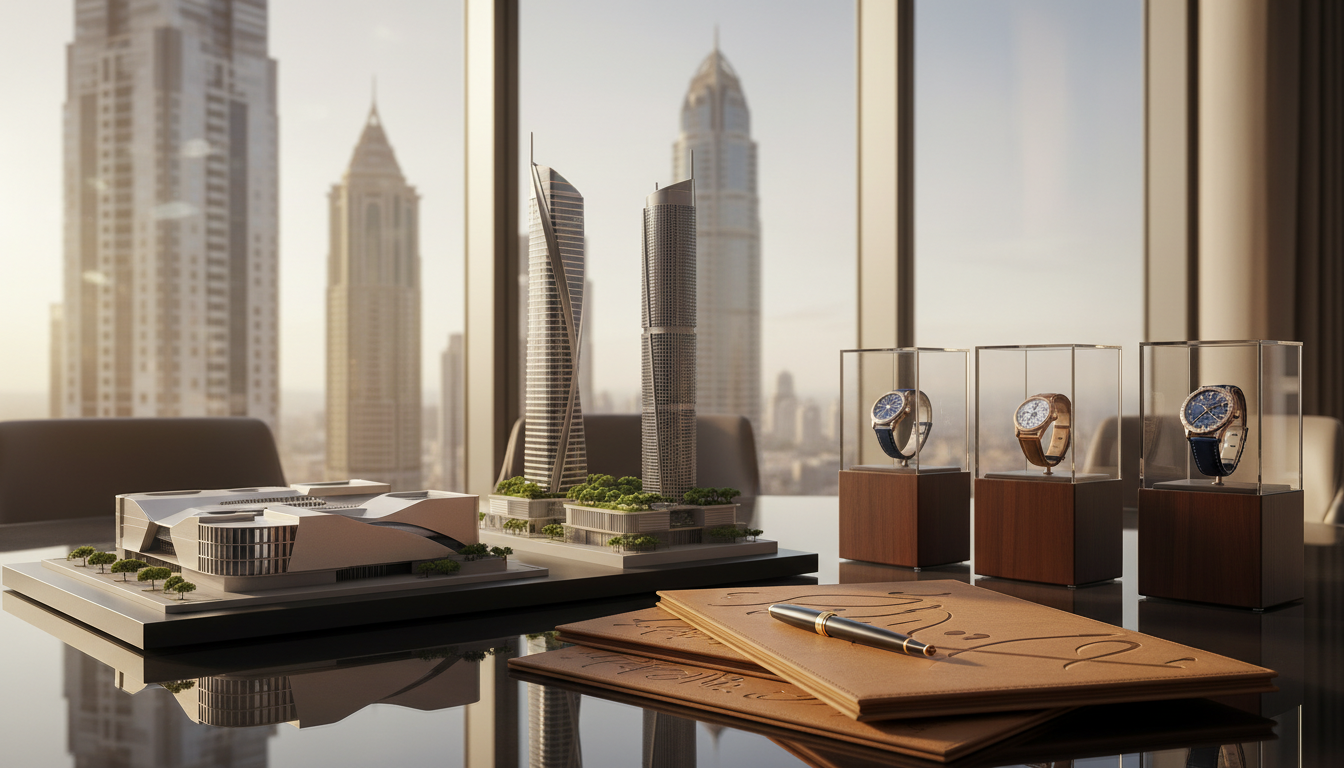
Saudi Crown Prince Mohammed bin Salman’s Vision 2030 initiative allocates $500 billion specifically for luxury tourism and retail infrastructure, including the futuristic NEOM megacity project targeting ultra-wealthy international residents and visitors.
Luxury Real Estate Revolution
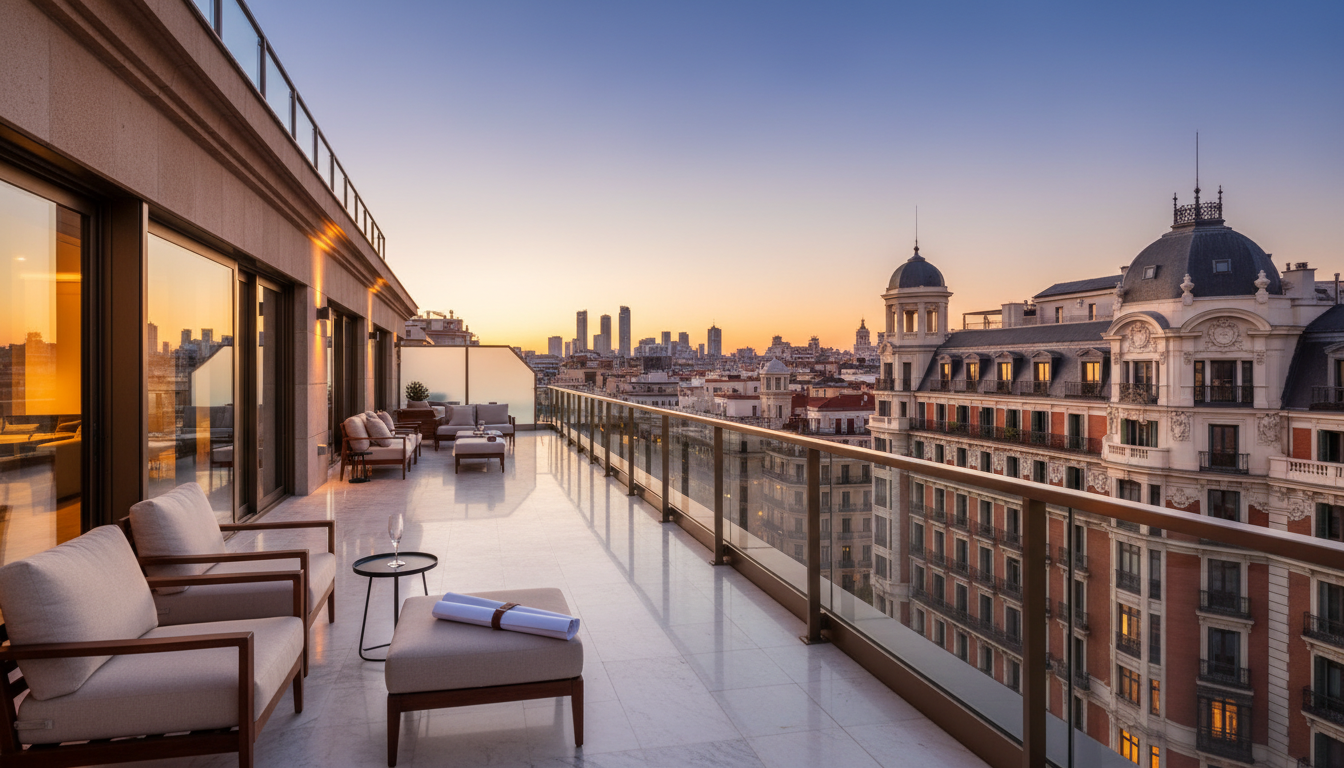
Dubai’s luxury property market has witnessed extraordinary growth, with ultra-prime residential sales exceeding $1 billion monthly throughout 2024. The emirate’s golden visa program attracts billionaires seeking tax-efficient residency, driving demand for properties valued above $10 million.
Qatar’s luxury real estate investments extend globally, with the Qatar Investment Authority controlling premium London properties worth over $15 billion, including Harrods, The Shard, and extensive Mayfair holdings.
High-End Retail Transformation
The region’s luxury retail sector projects 15% annual growth through 2027, outpacing traditional European and American markets. Gulf consumers demonstrate unprecedented appetite for exclusive brands, limited editions, and bespoke luxury experiences.
Major luxury conglomerates including LVMH, Richemont, and Kering report the Middle East as their fastest-growing revenue region, with per-capita luxury spending among Gulf nationals exceeding $8,000 annually—triple the global average.
Cultural Luxury Investments
Abu Dhabi’s cultural district investments exceed $2 billion, featuring partnerships with the Louvre, Guggenheim, and major auction houses. These initiatives position the Gulf as a luxury art and culture destination, attracting ultra-wealthy collectors and investors worldwide.
The region’s art market has expanded dramatically, with regional collectors spending over $500 million annually at international auctions, establishing the Gulf as a major force in the global art economy.
Luxury Tourism Infrastructure
Saudi Arabia’s luxury tourism investments target 100 million annual visitors by 2030, with projects including the Red Sea luxury resort development spanning 28,000 square kilometers. The kingdom’s tourism strategy focuses specifically on ultra-high-net-worth travelers, with private jet facilities and exclusive resort experiences.
The UAE continues expanding its luxury hospitality portfolio, with Dubai alone featuring over 70 five-star hotels and resorts, many targeting guests spending $1,000+ per night.
Future Market Implications
Industry analysts project Gulf luxury market expansion to reach $75 billion by 2028, driven by continued oil revenues, sovereign wealth diversification, and growing regional ultra-wealthy populations.
The convergence of massive sovereign wealth, strategic geographic positioning, and ambitious diversification initiatives positions Gulf monarchies to dominate global luxury markets for decades, fundamentally reshaping how and where the world’s wealthiest individuals invest, live, and spend.
This transformation represents more than market growth—it signals a permanent shift in global luxury market power from traditional Western centers to the resource-rich Gulf region.